Will textualism save our copyright planet? Warhol Fdn v. Lynn Goldsmith headed to SCOTUS
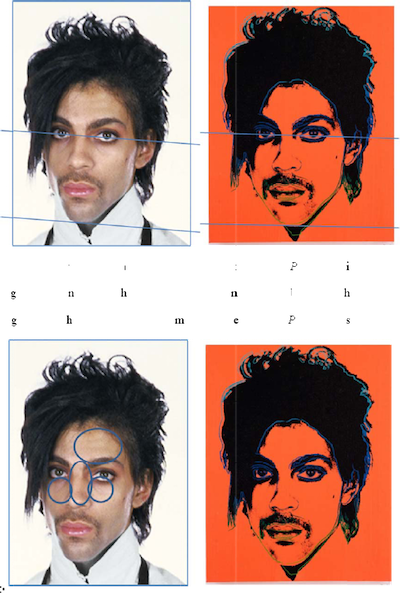
Images of Goldsmith and Warhol at issue.
The U.S. Supreme Court will review a ruling that an Andy Warhol print infringed a copyrighted photograph taken by photographer, Lynn Goldsmith, of the late musician, Prince.
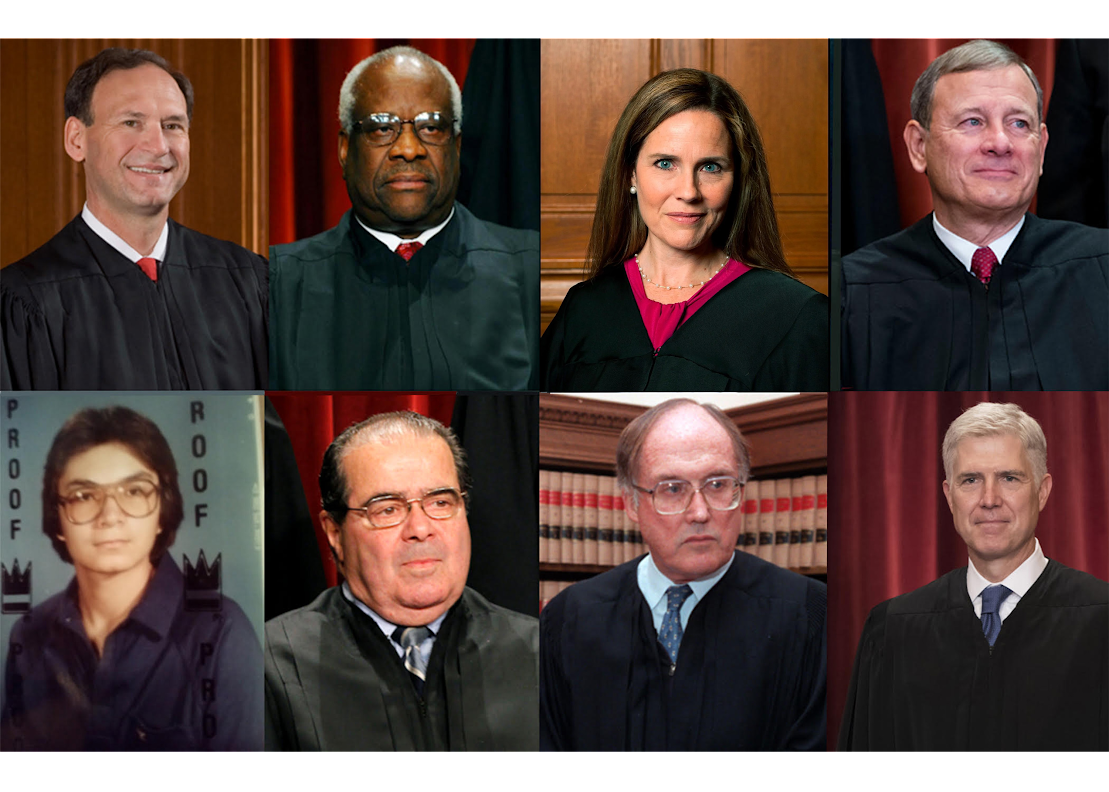
We certainly hope--as much as one can hope for anything these days--that SCOTUS cleans up the wasteland that has become of "fair use" interpretation.
One would think, and hope I suppose, that with many of the sitting justices adhering to textualism, they will fully jettison the nonsensical "transformativeness" test that has plagued us like a really bad case of Covid since the mid-1990s.
Docs here, via ...
Podcast: Stephanie Drawdy and Sergio Munoz Sarmiento on All Things Art and Law
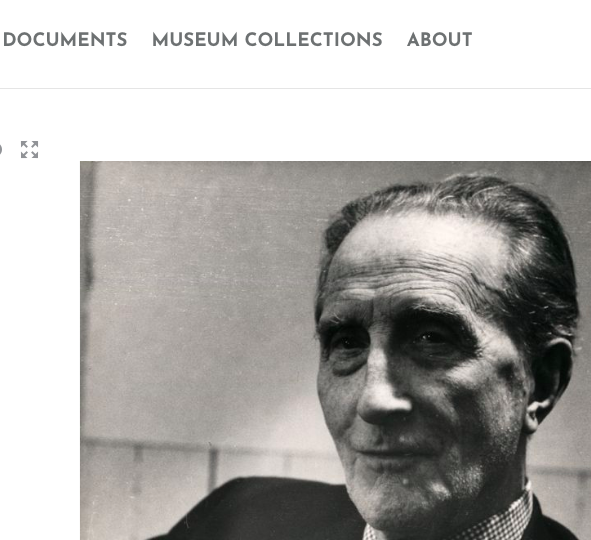
Marcel Duchamp archives now online, free of charge
The Philadelphia Museum of Art, the Centre Pompidou, and the Association Marcel Duchamp have digitized their vast archives of material on the Dadaist and placed it online, where it is free to all. Enjoy!
The Art & Law Coloring Book
If you have kids at home and want them to do something fun and educational, try the Art & Law Coloring Book, an ongoing project by The Art & Law Program. Really a great collection of drawings by great artists, including:
Emma Jane Bloomfield Damien Davis Molly Dilworth João Enxuto Soda Jerk Clare Kambhu Alexandra Lerman Erica Love Douglas Melini Sergio Muñoz Sarmiento Melinda Shades Elisabeth Smolarz Gabriel Sosa Alfred Steiner Valerie Suter
Happy coloring!
What are NFTs and what does it mean to own one?
If you're confused as to what the hell NFTs are, particularly art NFTs, here's a new article by Alfred Steiner that pretty much walks you through and safely out of the NFT hell.
In his article, Steiner explains what NFTs are and what it means to own one. He also discusses why that meaning of ownership—which may appear novel to many—isn’t new at all when considered against the backdrop of the market for conceptual art. Steiner concludes with some observations about how NFTs may be good and bad for the art industry.
The U.S. Supreme Court will review a ruling that an Andy Warhol print infringed a copyrighted photograph taken by photographer, Lynn Goldsmith, of the late musician, Prince.
We certainly hope–as much as one can hope for anything these days–that SCOTUS cleans up the wasteland that has become of “fair use” interpretation.
One would think, and hope I suppose, that with many of the sitting justices adhering to textualism, they will fully jettison the nonsensical “transformativeness” test that has plagued us like a really bad case of Covid since the mid-1990s.
Docs here, via Scotusblog. I’ll also update this post as interesting–and relevant–materials pops up in the digital universe. Sleep well!
I had a lovely conversation with fellow lawyer and artist, Stephanie Drawdy, on the NFT craze, pets, art law, and the origins of The Art & Law Program. You can listen to the Podcast here. Hope you enjoy!
The Philadelphia Museum of Art, the Centre Pompidou, and the Association Marcel Duchamp have digitized their vast archives of material on the Dadaist and placed it online, where it is free to all. Enjoy!
If you have kids at home and want them to do something fun and educational, try the Art & Law Coloring Book, an ongoing project by The Art & Law Program. Really a great collection of drawings by great artists, including:
Emma Jane Bloomfield Damien Davis Molly Dilworth João Enxuto Soda Jerk Clare Kambhu Alexandra Lerman Erica Love Douglas Melini Sergio Muñoz Sarmiento Melinda Shades Elisabeth Smolarz Gabriel Sosa Alfred Steiner Valerie Suter
If you’re confused as to what the hell NFTs are, particularly art NFTs, here’s a new article by Alfred Steiner that pretty much walks you through and safely out of the NFT hell.
In his article, Steiner explains what NFTs are and what it means to own one. He also discusses why that meaning of ownership—which may appear novel to many—isn’t new at all when considered against the backdrop of the market for conceptual art. Steiner concludes with some observations about how NFTs may be good and bad for the art industry.
Clancco, Clancco: The Source for Art & Law, Clancco.com, and Art & Law are trademarks owned by Sergio Muñoz Sarmiento. The views expressed on this site are those of Sergio Muñoz Sarmiento and of the artists and writers who submit to Clancco.com. They are not the views of any other organization, legal or otherwise. All content contained on or made available through Clancco.com is not intended to and does not constitute legal advice and no attorney-client relationship is formed, nor is anything submitted to Clancco.com treated as confidential.