Sergio Muñoz Sarmiento
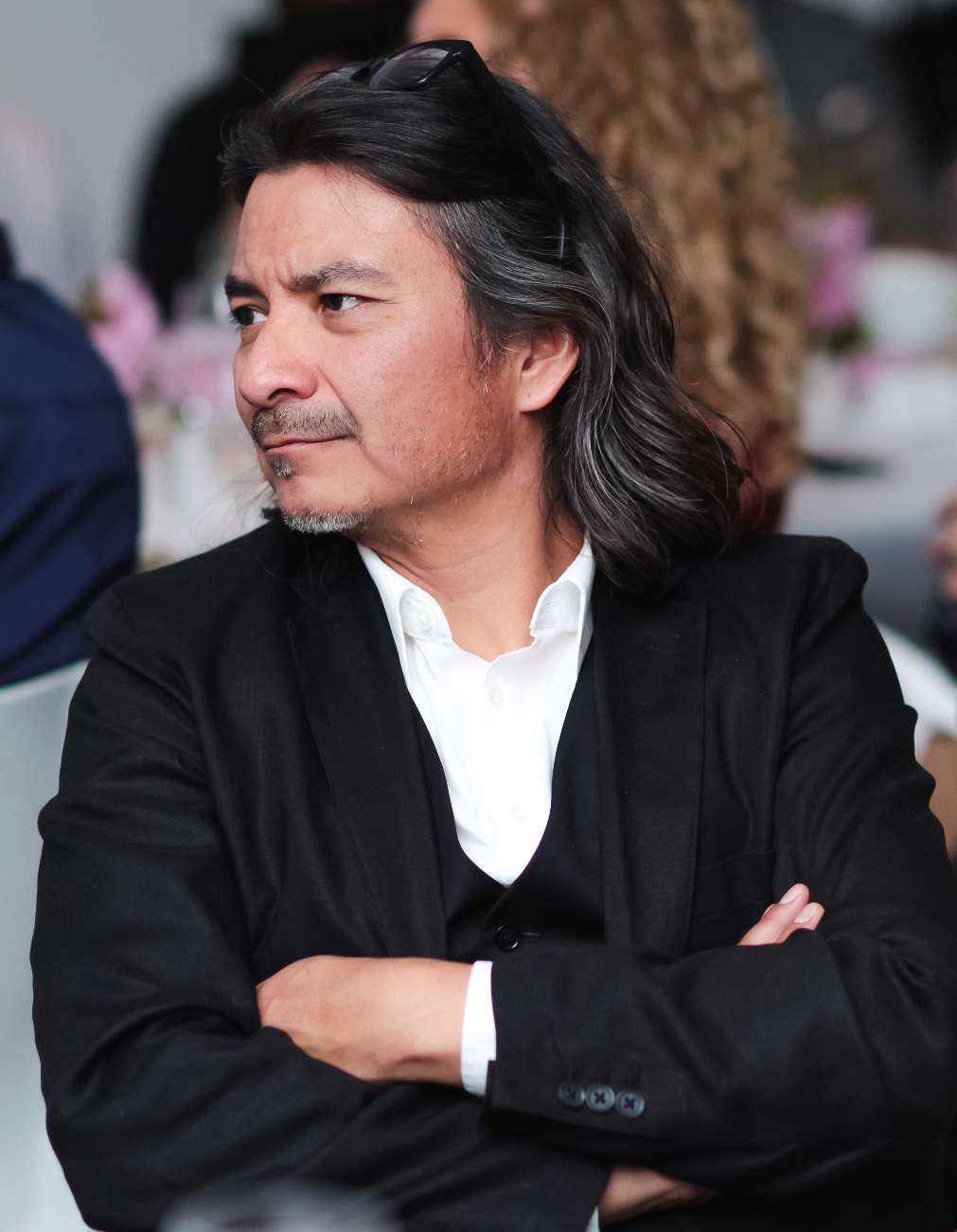 Sergio Muñoz Sarmiento is an art lawyer. He is interested in the relationship between contemporary art and law, with a primary focus on copyright, moral rights, free speech, deaccessioning, art foundations and nonprofit arts organizations. He currently has his own private practice, The Law Office of Sergio Muñoz Sarmiento. In 2010 he founded The Art & Law Program, the first residency of its kind, as well as the Art Law School, a lecture series on legal issue for artists.
He received his BA in Art from the University of Texas-El Paso and an MFA in Art from the California Institute of the Arts. He was a Van Lier Fellow at the Whitney Museum of American Art’s Independent Study Program in Studio Art in 1997-98, and received his J.D. from Cornell Law School in 2006.
Sarmiento has taught in a number of universities and art schools, including NYU, Harvard University, the University of Southern California, University of California-Irvine, Occidental College, CalArts, Hofstra University, and Brooklyn Law School.
He speaks frequently on artist rights and art law matters in the U.S. and abroad, including:
American Association of Law Schools
Arts Counsel of Texas
Bronx Museum, AIM Program
Brown University School of Art
Centre Sociologie de l’Innovation, Ecole des Mines de Paris, France
Columbia Law School
Columbia University School of the Arts
Cornell Law School
Creative Capital
CUNY Graduate Center, Center for the Humanities
Dia:Beacon
El Paso Museum of Art
Fordham Law School
Fundación Cisneros, Caracas, Venezuela
Harvard University, Department of Visual & Environmental Studies
International Center of Photography
Lower Manhattan Cultural Council, NYC
McGill Faculty of Law, Montréal, Canada
Museum of Contemporary Art, Detroit
New York Law School
NYU School of Law
School of Visual Arts
SUNY, New Paltz
SUNY, Oswego
Texas A&M School of Law
Universidad de los Andes, Bogotá, Colombia
Universidad Torcuato di Tella, Buenos Aires, Argentina
University of California-Irvine School of Art
Vera List Center for Arts and Politics at The New School
Yale Law School
Yale School of Management
For more information on his writings, please click here. His CV may be accessed here.
Email: sms|at|artlawoffice.com